

With experience spanning nearly 30 countries across the Americas, Europe and Asia, Hernán Gastaldi has spent much of his career at the intersection of branding, marketing and packaging design. As Managing Partner of the Buenos Aires-based agency Imaginity, he works with brands across a wide range of FMCG categories, helping translate market insights into packaging concepts that balance commercial objectives with creative storytelling.
In recent years, the pet food sector has become an increasingly important area of focus, reflecting broader changes in consumer expectations, premiumisation and retail dynamics. In this interview, Gastaldi shares his perspective on how Argentina's packaging industry is evolving, why economic constraints often foster creativity, and how packaging design is adapting to the growing emotional relationship between people and their pets.
PetPack Journal: How would you describe the current state of packaging design in Argentina overall? Are there any distinctive visual codes that set the market apart from other regions?
Hernán Gastaldi: Argentina’s packaging design landscape is characterized by a strong conceptual and creative foundation. The country has a long-standing design culture which is reflected in packaging that emphasizes storytelling, brand thinking, and emotional connection. In categories such as wine, craft beer, and emerging FMCG brands, it is common to see bold ideas, narrative-driven concepts, and a high degree of artistic expression. Packaging often goes beyond functionality to become a key vehicle for brand identity and differentiation.
Emotional and expressive storytelling in packaging design plays a more central and expressive role in Argentina than in the United States or Europe. Argentine packaging tends to lean into warmth, personality, and narrative, often using illustration, rich copy, and evocative visual cues to create a strong emotional connection with consumers. This reflects both a culturally expressive design tradition and the need to stand out in highly competitive, price-driven retail environments.
At the same time, execution is significantly shaped by economic constraints. Inflation, import restrictions, and production limitations influence both material selection and printing capabilities. Compared to markets such as Europe or the United States, there is greater reliance on more accessible substrates and standard printing techniques like flexo or offset, with less frequent use of advanced finishes. This creates a noticeable gap between concept and execution, where the creative vision may be ambitious, but the final output must adapt to practical and cost-driven realities.
The market is also highly polarized. On one end, multinational and top-tier brands operate with design standards that are close to global benchmarks, featuring more refined systems and consistent execution. On the other end, local and mass-market brands tend to be more price-driven, often resulting in less visually refined packaging. This contrast is more pronounced than in mature markets, making the difference between premium and value segments particularly visible on shelf.
Finally, as in most global markets, FMCG—especially food and beverage—continues to drive packaging innovation in Argentina. These categories demand constant differentiation, strong storytelling, and high shelf impact, pushing brands to maximize visual effectiveness within existing constraints. As a result, even in a challenging economic environment, packaging remains a critical tool for competition and brand building.
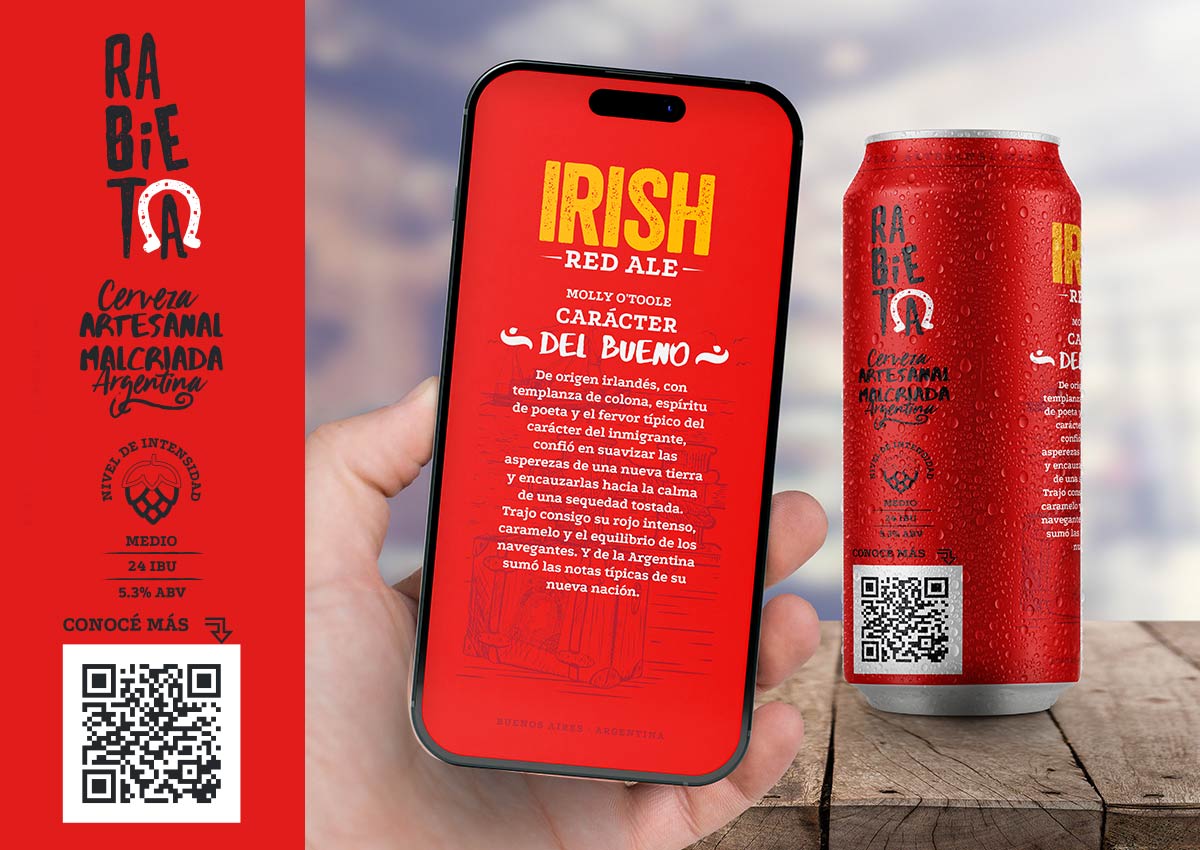
An emerging layer within this landscape is the gradual adoption of connected packaging. Brands are beginning to integrate QR codes and digital touchpoints into their packaging. These “connected packs” extend the role of packaging beyond the shelf, linking consumers to mobile-optimized content such as product stories, usage guidance, ingredient transparency, promotions, or brand experiences. As digital engagement becomes more relevant, connected packaging is a cost-efficient way to add value, enhance storytelling, and bridge physical and digital brand experiences.
PetPack Journal: To what extent do economic factors such as inflation and cost pressure influence packaging design and material choices?
Hernán Gastaldi: In inflationary environments, consumer purchasing behavior shifts significantly, and packaging must adapt accordingly. One key dynamic is the growth of smaller pack sizes, as consumers prioritize lower out-of-pocket spending at the moment of purchase. This drives demand for single-serve formats, mini packs, and entry-price SKUs. As a result, packaging must communicate price clearly, maintain strong branding even at reduced sizes, and rely on scalable design systems that preserve impact despite limited space.
At the same time, a parallel trend emerges toward larger pack formats, as more value-driven consumers seek to optimize cost per kilogram. Family packs, multipacks, and bulk formats become increasingly relevant, requiring packaging that emphasizes value messaging, such as quantity cues and savings claims. Structurally, these formats must also ensure durability, stackability, and resealability to support longer usage and maintain product quality.
A third critical dynamic is trade-down behavior, where consumers shift from premium to mainstream brands, and from mainstream to economy or private label options. This intensifies competition across tiers and places greater pressure on packaging. Value brands must appear credible and trustworthy rather than cheap, while premium brands must more clearly justify their price through quality cues, functional benefits, and brand storytelling. In this context, packaging becomes a key battleground for both retention and conversion.
Overall, packaging in high-inflation markets is shaped by both supply-side constraints, such as materials and production costs, and demand-side adaptation, including smaller packs for accessibility, larger formats for value optimization, and brand switching driven by economic pressure.
PetPack Journal: How does packaging design in the pet food segment differ from other FMCG categories in Argentina?
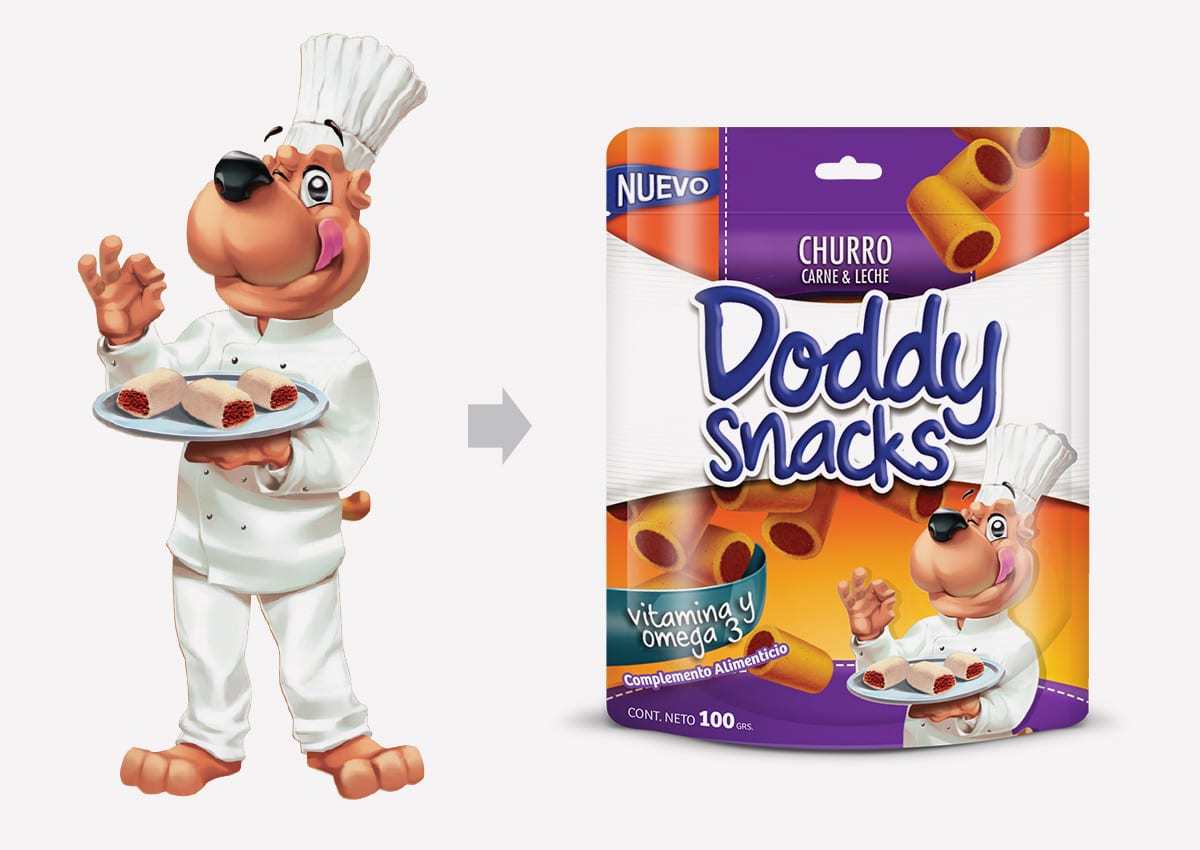
Hernán Gastaldi: Pet food packaging is more complex and structured than most FMCG categories due to its dual role: appealing emotionally to pet owners while delivering clear functional and nutritional information. Packs must communicate multiple variables simultaneously, including species, size, age, and health benefits.
The category is also dominated by large-format flexible packaging, particularly for dry food, which changes the design logic. Packs must perform at distance, often in stacked or bulk retail environments, requiring strong visual blocking and high readability. This contrasts with smaller, more design-driven formats in other FMCG categories.
Additionally, pet food operates closer to a “nutrition system” than a traditional food category. This leads to more technical communication, greater segmentation, and a stronger need for structured design systems, making it one of the most demanding packaging categories in terms of hierarchy and clarity.
PetPack Journal: What role do emotion, pet humanization, and premiumization play in pet food packaging design?
Hernán Gastaldi: Emotion is a primary driver in pet food packaging, as purchasing decisions are deeply tied to the owner’s sense of care and responsibility. Packaging must create trust and reinforce the idea that the consumer is making the right choice for their pet. Visual cues such as pet imagery, warm tones, and nurturing language are critical.
Pet humanization has transformed the category, shifting it toward visual and verbal codes traditionally associated with human food. This includes ingredient-focused design, cleaner layouts, and messaging around quality and transparency. Packaging increasingly resembles health or gourmet food rather than animal feed.
Premiumization builds on these elements by elevating perceived value through design. In Argentina, this is often achieved through graphic sophistication rather than expensive materials, creating a balance between aspiration and affordability. Together, these forces define the category’s visual and strategic direction.
PetPack Journal: Do you observe differences in design approaches between local brands and international players?
Hernán Gastaldi: International brands tend to operate with highly structured and consistent design systems, ensuring coherence across markets and product lines. Their packaging is typically aligned with global brand guidelines, emphasizing scalability and long-term brand equity.
Local brands, in contrast, are more flexible and responsive to market conditions. They often adopt more expressive, and visually impactful designs to compete both in price-driven and premiumization environments. Their approach is more tactical, adapting quickly to changing conditions and consumer behavior.
These differences reflect broader strategic priorities: global brands optimize for consistency and system thinking, while local brands optimize for agility and competitiveness. The most successful players often combine both approaches.
PetPack Journal: Which packaging formats currently dominate the pet food segment (e.g. pouches, cans, single-serve portions)? What developments are you observing?
Hernán Gastaldi: Flexible bags dominate the pet food category in Argentina, particularly for dry food, representing the vast majority of shelf presence. These formats are cost-efficient, scalable, and well-suited for bulk consumption, making them the backbone of the market.
Pouches are the fastest-growing format, especially in wet food and premium segments, offering convenience and portion control. Cans remain relevant but are gradually losing share due to cost and logistical disadvantages, while trays and single-serve formats are emerging in higher-end segments.
Overall, the market remains heavily concentrated in a few formats, with innovation happening more in usage and segmentation rather than radical structural changes. The dominance of flexible packaging is expected to continue.
PetPack Journal: How important is sustainability in the Argentine market today – both from a brand and a consumer perspective?
Hernán Gastaldi: Sustainability is increasingly important from a communication and brand positioning perspective, but its practical impact is limited by economic and infrastructural constraints. Consumers express high awareness but often prioritize price and convenience in purchasing decisions.
Recycling performance varies significantly by material, with cardboard, glass, and aluminum achieving relatively high recovery rates, while plastics—especially flexible films—remain largely unrecycled. This creates a gap between theoretical recyclability and actual environmental impact.
Infrastructure is uneven across the country, with more developed systems in Buenos Aires and limited capabilities elsewhere. As a result, sustainability strategies must be pragmatic, focusing on material reduction and realistic recovery rather than idealized solutions.
PetPack Journal: How is the growth of e-commerce influencing packaging design requirements? Do you see differences between shelf-focused and e-commerce-driven design?
Hernán Gastaldi: E-commerce is reshaping packaging by adding new functional requirements related to logistics, durability, and delivery experience. Packaging must now protect the product through transportation while remaining cost-efficient and lightweight.
At the same time, packaging must perform in digital environments, where the first interaction is often a small image on a mobile screen. This requires clearer visual hierarchy, stronger contrast, and simplified design to ensure readability and impact.
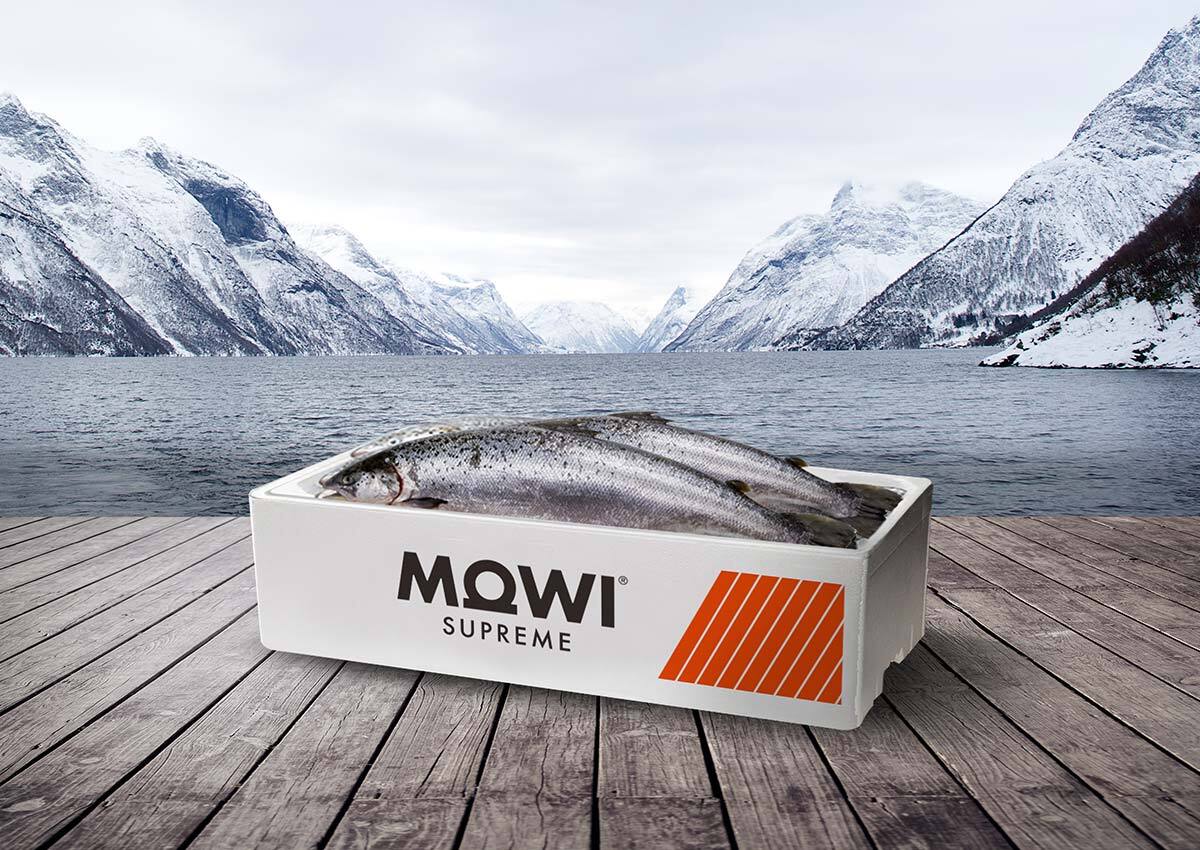
Finally, the unboxing experience has become a new brand touchpoint, especially for premium and direct-to-consumer brands. Packaging is evolving from a point-of-sale tool to a broader experience platform that spans digital and physical interactions.
PetPack Journal: Are you seeing developments in areas such as personalization, digital printing, or shorter production runs? How relevant are these for your clients?
Hernán Gastaldi: Digital printing is enabling greater flexibility in packaging production, allowing for shorter runs, faster turnaround, and increased variation. This supports more agile marketing strategies and reduces the risk associated with large production volumes.
Personalization is growing as a tool for engagement, particularly in premium and campaign-driven contexts. While not yet widespread in all segments, it is becoming an important way to create differentiation and emotional connection.
In Argentina, these developments are present but selective, primarily used in labels, short runs, and niche segments. Cost sensitivity limits widespread adoption, but their strategic importance is increasing, especially for innovation and premium positioning.
PetPack Journal: What key trends will shape packaging design in the Argentine pet food segment over the next 3–5 years?
Hernán Gastaldi: The current economic environment in Argentina is characterized by a strong but moderating growth outlook, with the country entering a phase of stabilization and recovery, supported by fiscal adjustment and ongoing macroeconomic reforms. Pet Food segment evolution remains closely tied to economic conditions, consumer spending, and out-of-pocket availability, meaning that even in a growing economy, purchasing behavior continues to be shaped by price sensitivity and value optimization.
Within this context, the market is expected to evolve through the convergence of premiumization and affordability, giving rise to “affordable premium” solutions. Brands will increasingly focus on delivering higher perceived value through design while maintaining cost efficiency. Flexible packaging will continue to dominate, with ongoing improvements in functionality such as resealability and convenience features, while smaller formats and portioning will expand in response to economic pressure and shifting consumption patterns.
At the same time, humanization, emotional storytelling, and pragmatic approaches to sustainability will play an increasingly important role, alongside the growing influence of e-commerce and format diversification. A complementary development is the gradual adoption of connected packaging, where QR codes and digital touchpoints extend the pack into a platform for engagement, transparency, and brand storytelling at relatively low cost. Overall, the future of packaging design in Argentina will be probably defined less by radical innovation and more by smarter, more adaptable design systems capable of balancing aspiration, functionality, and economic reality.

Visit the imaginity website here:



.png)