
As Co-founder, Partner and Creative Director of Buenos Aires-based Tridimage, Hernán Braberman has been shaping packaging design in Latin America for more than three decades. Combining expertise in branding and structural packaging design, he has worked with leading consumer brands across the region while contributing to the broader international packaging community as a speaker, jury member and industry commentator.
Founded in 1995, Tridimage was the first design agency in Latin America to integrate graphic and structural packaging design under one roof. Today, the studio works with FMCG brands across multiple categories, developing packaging systems that combine strategic thinking with consumer insight, structural innovation and brand storytelling. In this interview, Braberman discusses how economic realities, premiumisation, sustainability and changing consumer expectations are influencing the future of pet food packaging in Argentina and beyond.
PetPack Journal: How would you describe the current state of packaging design in Argentina overall? Are there any distinctive visual codes that set the market apart from other regions?
Hernán Braberman: Argentina has a mature and vibrant packaging design scene, shaped by decades of economic turbulence that, paradoxically, made designers and brands more resourceful and creative. We've always had to do more with less, and that constraint has become a genuine driver of ingenuity.
For years, Latin America in general followed more conventional visual formulas. Logo here, product shot there, a background color, and that was it. That's changed significantly. New generations of consumers, influenced by global trends through their smartphones, expect brands to speak to them in a more authentic, emotionally engaging way. And Argentine brands have responded. Today, you'll find design work coming out of Buenos Aires that stands shoulder to shoulder with what you see in London or Amsterdam.
One distinctive code is a strong emphasis on storytelling. Argentine brands tend to invest heavily in narrative, whether it's about origin, craftsmanship, or emotional connection. There's also a boldness in the use of illustration and typography that you don't always see in more conservative markets.
Another defining trait is adaptability. Argentine designers are trained to work across wildly different product segments and price points, often for the same client. That versatility shows in the range and sophistication of what you see on shelves today.
PetPack Journal: To what extent do economic factors such as inflation and cost pressure influence packaging design and material choices?
Hernán Braberman: In Argentina, economic volatility is a constant companion. Designers and brand managers here have learned to navigate inflation, currency fluctuations, and supply chain disruptions as part of everyday business. It deeply affects packaging decisions at every level.
Cost pressure often pushes brands toward material downgauging, format rationalization, or simpler print techniques. You'll see brands reducing SKUs, consolidating variants into a single pack with variable stickers, or switching from rigid to flexible packaging to cut costs. Sometimes a brand would love to go for a premium matte finish or a special varnish, but the budget simply won't allow it.
However, and this is where it gets interesting, these constraints have also trained Argentine designers to be extraordinarily strategic. When you can't rely on expensive finishes or materials to create a premium feel, you need to make design do the heavy lifting. Typography, color strategy, layout, hierarchy, illustration. The craft of graphic design becomes your most powerful tool because it doesn't add cost to the production run.
There's also a cultural factor. Argentine consumers are highly brand-aware and sophisticated. Even in tough economic times, they pay attention to how a product looks and feels. So brands that cut corners too visibly on packaging risk losing credibility. The challenge is finding that sweet spot where you optimize cost without sacrificing perceived value. And that's a skill Argentine design teams have sharpened over decades.
PetPack Journal: How does packaging design in the pet food segment differ from other FMCG categories in Argentina?
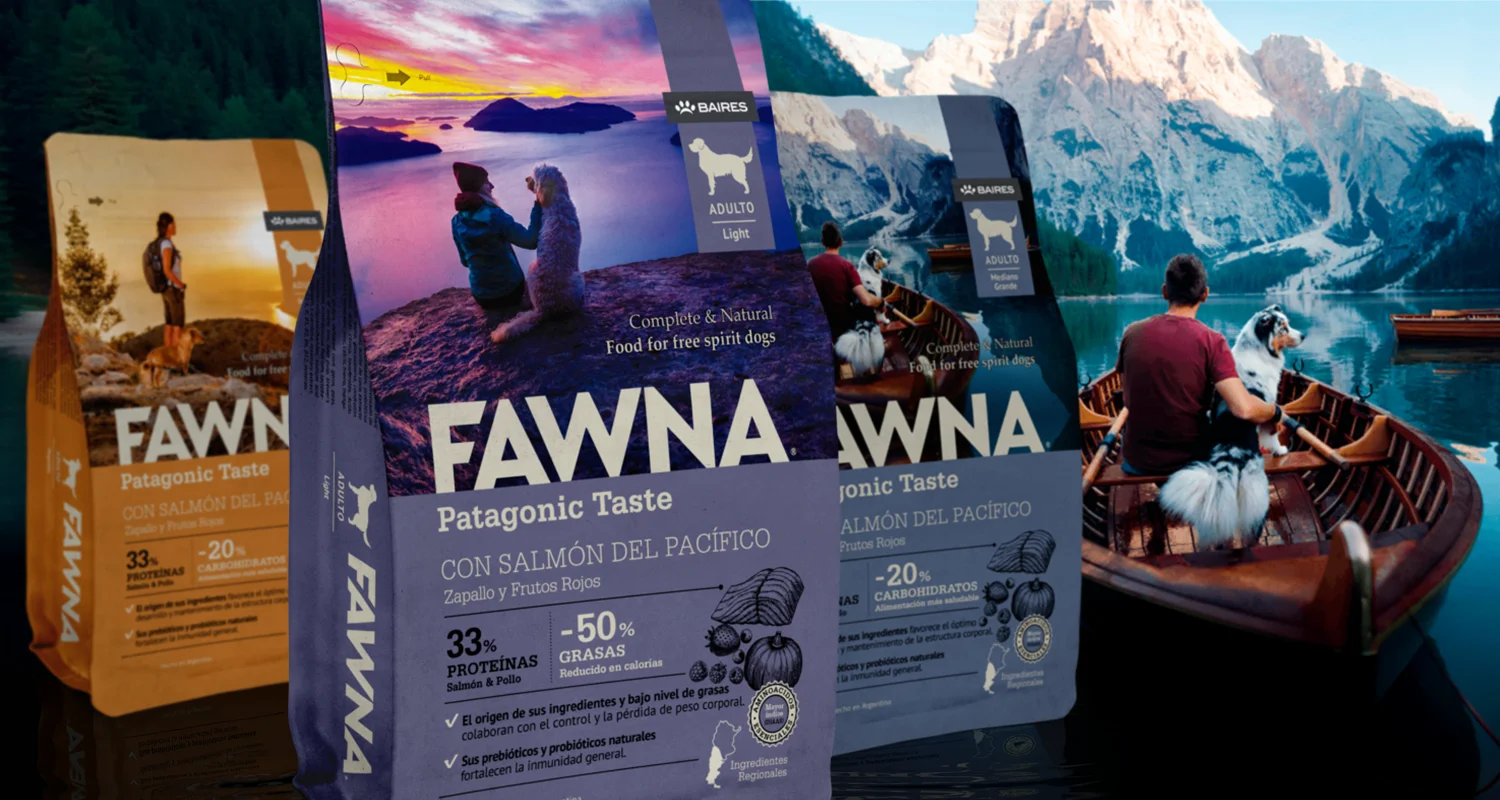
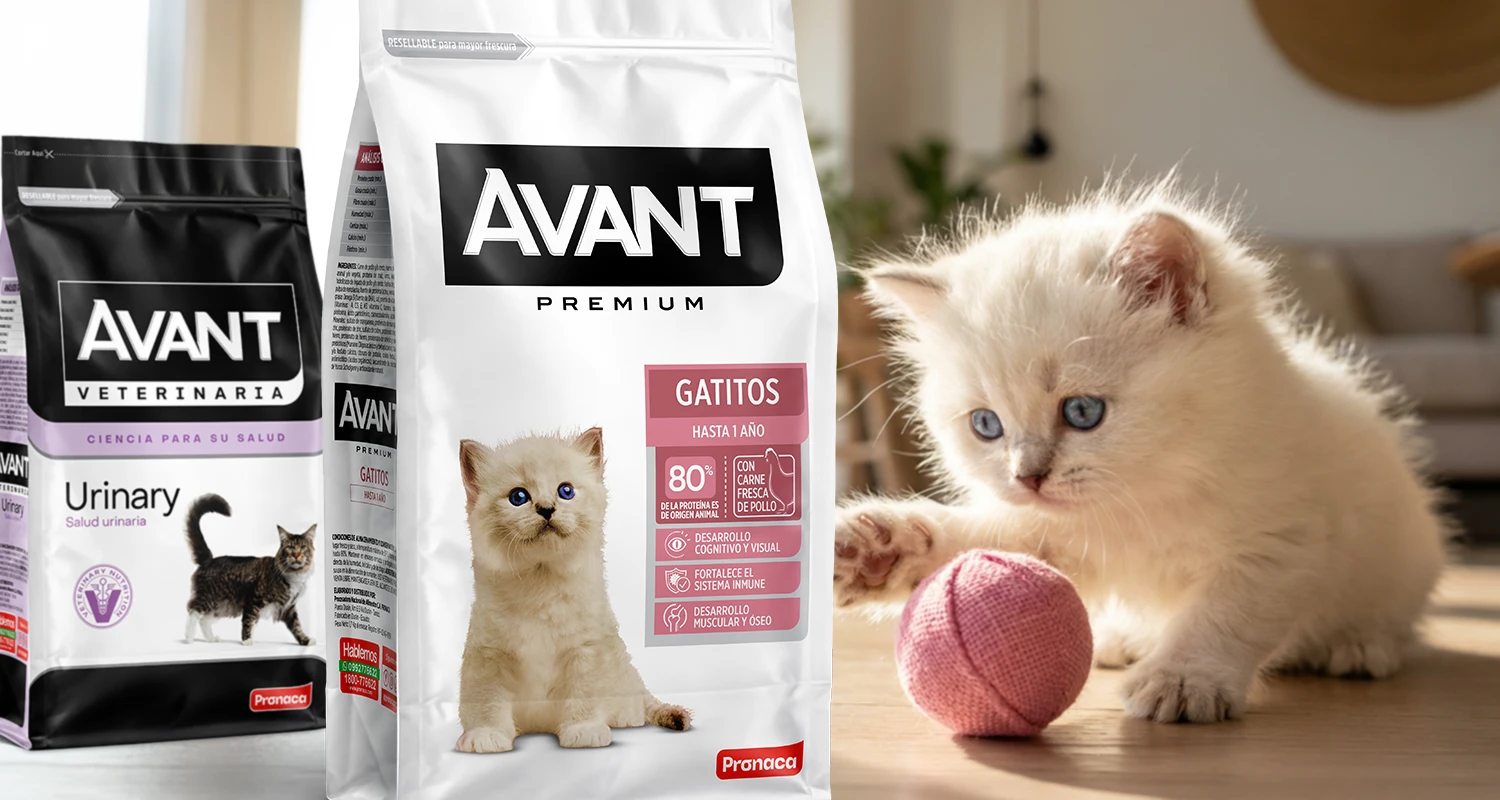
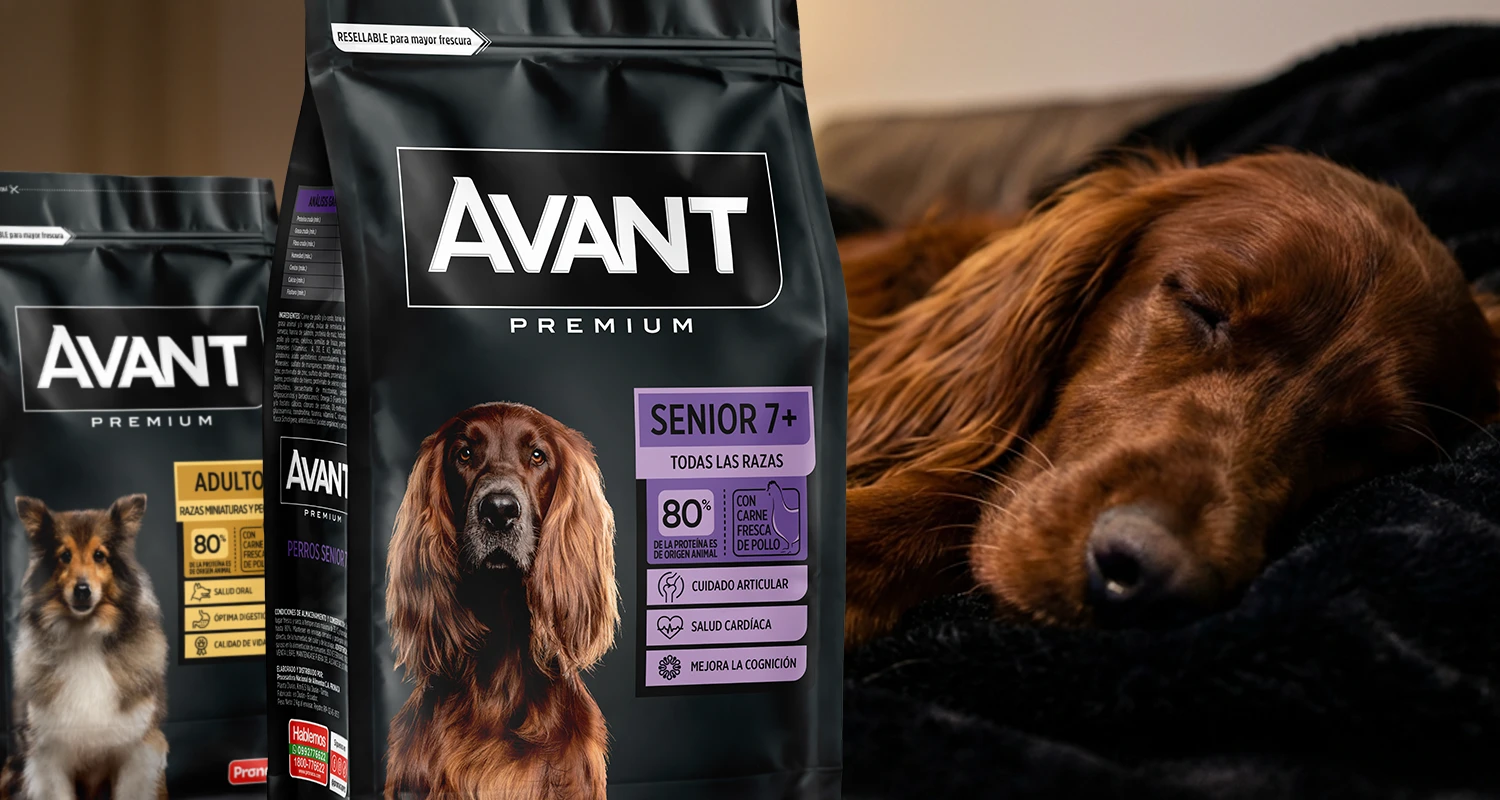
Hernán Braberman: In most FMCG categories, you're designing for the end user. In pet food, you're designing for someone who projects their own values, emotions, and quality standards onto their pet's experience. We learned this firsthand working with brands like Fawna in Argentina, Petys in Colombia, and Avant in Ecuador. Each project confirmed that pet food packaging doesn't follow traditional rules. Here, emotions lead.
One major shift we've observed is that pet owners now apply the same criteria to their pet's food as they do to their own. Natural ingredients, transparency, premium quality. That's why you see appetizing food photography, detailed nutritional tables, and claims like "grain-free" that were once exclusive to human food. The visual codes are migrating directly from the premium food and wellness categories.
There's also a structural dimension that differs from other FMCG segments. Pet food bags are large, heavy, and need to perform in very specific retail environments, from specialized pet shops to veterinary clinics to supermarket aisles. The bag format itself has to communicate brand quality while solving practical issues like resealability, portion control, and comfortable handling. For my team at Tridimage, integrating graphic and structural design from the start has been essential in this category, because form and message need to work as one.
PetPack Journal: What role do emotion, pet humanization, and premiumization play in pet food packaging design?
Hernán Braberman: These three forces are deeply interconnected, and together they've completely redefined how we approach pet food packaging.
Let's start with the emotional core. Studies show that 97% of pet owners consider their pet a family member. That single insight reshapes the entire design brief. When we developed Fawna Patagonic Taste, every design decision was guided by the understanding that each bag of food represents an act of love. We built a narrative connecting the purity of Patagonian ingredients with the purity of the bond between people and their pets. The response was remarkable. Within just over a year of launch, Fawna was already present in the best specialty stores across Argentina.
Pet humanization drives very specific visual choices. Appetizing photography of fresh ingredients that evoke homemade preparations. Recipe-style descriptions. Imagery that feels closer to a gourmet food brand than a traditional pet food product. This works because the purchase decision is made by the human, with their eyes. The pet will judge by aroma once the food is served, but at the shelf, it's a visual seduction. You need to convince the person that they're choosing something delicious for someone they love.
Premiumization, in turn, raises the bar for every design element: printing quality, material finish, typographic refinement, the overall tactile experience of the pack. Premium pet food consumers are willing to pay more, but they expect the packaging to validate that investment. A super premium product in a mediocre-looking bag simply won't earn their trust. The packaging must feel as carefully crafted as the product inside.
What fascinates me is how these three forces feed each other. The more people humanize their pets, the more emotionally invested they become. The more emotionally invested they are, the more they're willing to pay for premium products. And the more premium the product, the higher the design standards need to be. It's a virtuous cycle that keeps pushing the category forward.
PetPack Journal: Do you observe differences in design approaches between local brands and international players?
Hernán Braberman: Absolutely, and the gap is narrowing in fascinating ways.
International brands typically enter the Argentine market with globally standardised packaging. Their design systems are built for consistency across dozens of countries, which gives them immediate recognition and a sense of reliability. But that consistency often comes at the cost of local relevance. The visual language can feel distant, generic, and even cold to an Argentine consumer who values warmth and emotional connection.
Local brands, on the other hand, have the freedom to be bolder and more culturally specific. They can tap into regional narratives, local ingredients, Patagonian landscapes, and build stories that resonate on a personal level. When we created Fawna, the entire brand was rooted in a distinctly Argentine identity, the wild beauty of Patagonia, and the purity of its natural resources. That kind of authentic, place-based storytelling is very difficult for a global brand to replicate without it feeling forced.
That said, the smartest international players are adapting. Some are developing region-specific packaging or sub-lines that acknowledge local tastes and cultural codes. And local brands are learning from the structural discipline and production quality that multinationals bring. So you see a productive tension between both worlds.
Where things get really interesting is in the super premium segment. Here, the playing field levels out. A well-designed local brand with a compelling story and high production values can compete head-to-head with established international names. Fawna proved exactly that, going up against brands with over 50 years of market presence and earning a place alongside them in Argentina's top pet food retailers.
PetPack Journal: Which packaging formats currently dominate the pet food segment (e.g. pouches, cans, single-serve portions)? What developments are you observing?
Hernán Braberman: In Argentina, the flexible bag remains the dominant format for dry pet food by a wide margin. It's cost-effective, lightweight, and offers a large printable surface that works as a powerful branding canvas. The industry has evolved significantly in terms of bag technology, moving toward stand-up pouches with resealable zippers, better barrier properties, and higher print quality that allows brands to achieve a truly premium shelf presence.
Wet food in cans and pouches holds a smaller but growing share, driven by the premiumization trend. Single-serve portions and snack formats are expanding as well, fueled by the "pet pampering" mindset. These are the equivalent of treats and indulgences, products that pet owners buy as an emotional gesture rather than a nutritional necessity. Their packaging tends to borrow visual codes from human snack and confectionery categories, with playful graphics and bold colours.
One development worth noting is the growing attention to the post-purchase experience. Brands are thinking more carefully about how packaging performs at home, not just on the shelf. Easy pouring, portion guidance, resealability, and storage convenience. For large-format bags, comfortable handles and the structural integrity to stand upright in a pantry are becoming expected features rather than nice-to-haves.
PetPack Journal: How important is sustainability in the Argentine market today – both from a brand and a consumer perspective?
Hernán Braberman: Sustainability in Argentina is reaching an inflection point. Awareness is growing rapidly, especially among younger consumers and premium audiences, but the economic reality creates a tension that you don't see as sharply in European or North American markets. When inflation is high and purchasing power is under pressure, sustainability can feel like a luxury rather than a priority. So brands need to be smart about how they integrate it.
From a brand perspective, the most progressive companies understand that sustainability is a long-term competitiveness strategy. They're exploring material reduction, mono-material structures for easier recycling, and more responsible sourcing. But the shift is gradual. Argentina's recycling infrastructure is still developing, and the regulatory framework around packaging sustainability is less advanced than in the EU. So brands often lead ahead of the system, which requires conviction and investment.
What excites me is when sustainability becomes part of a brand's core story rather than a checkbox on the back of the pack. Fawna is a great example. The brand created a program for collecting and repurposing empty bags, turning them into accessories like backpacks. This initiative connects packaging design with a broader purpose, promoting environmental responsibility while generating employment opportunities and fostering a community around the brand. It's a triple-impact model that goes far beyond simply choosing a "greener" material.
From a consumer perspective, I see a generational divide. Younger pet owners, particularly in the super premium segment, actively seek brands that align with their values. They read labels, ask questions, and reward transparency. Older demographics may be less vocal about sustainability, but they respond positively when brands make responsible choices visible and easy to understand through design. The opportunity for packaging designers is to make sustainability tangible, visible, and emotionally compelling on the pack itself, so it becomes a driver of preference rather than an abstract claim.
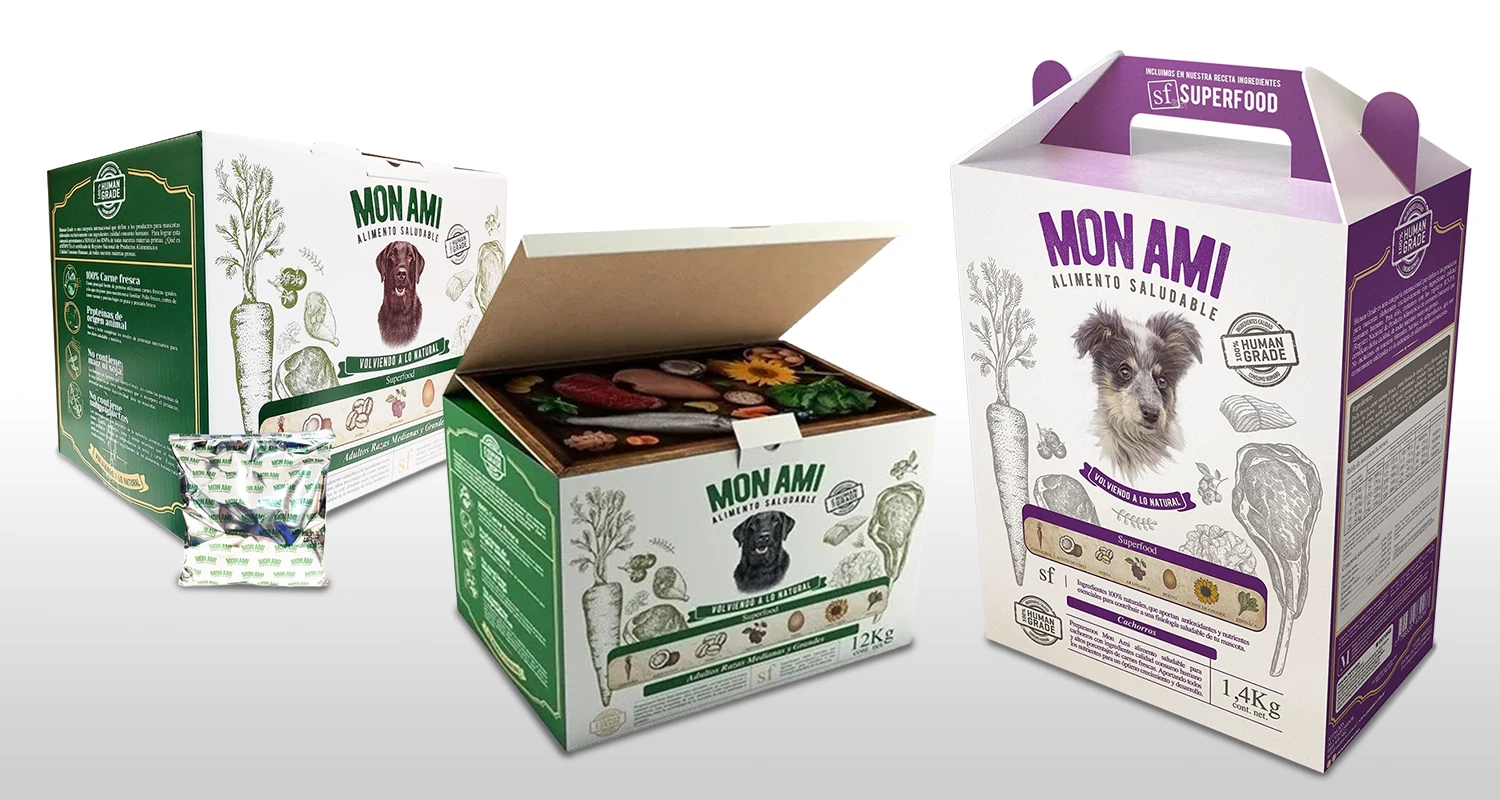
PetPack Journal: How is the growth of e-commerce influencing packaging design requirements? Do you see differences between shelf-focused and e-commerce-driven design?
Hernán Braberman: The pet food segment is still in a relatively early stage of the transition to e-commerce, compared to other FMCG categories. Most pet food purchases still happen in physical stores, whether supermarkets, pet shops, or veterinary clinics. But online sales are growing steadily, and that creates new design challenges.
On a physical shelf, packaging competes in a split second. It needs to win from a distance through colour blocking, shape, and visual hierarchy. In e-commerce, the first encounter happens through a small thumbnail image on a screen. That changes the rules entirely. Fine typographic details, subtle textures, and premium finishes that work beautifully in person can become invisible online. So brands need packaging that reads clearly at both scales, the three-dimensional shelf and the flat digital grid.
There's also the shipping dimension. A bag of pet food bought online needs to survive a logistics chain it was never originally designed for. Structural durability, protection against punctures, and how the product looks when it arrives at the customer's door all become design considerations. The unboxing moment, which barely existed in this category a few years ago, is now a brand touchpoint.
What I find most interesting is the opportunity for storytelling beyond the physical pack. QR codes, connected packaging experiences, and digital extensions allow brands to offer nutritional guidance, community content, or loyalty programs that simply don't fit on a bag. The pack becomes a gateway rather than the whole story. At Tridimage, we've been exploring connected packaging solutions across categories, and I believe pet food is one of the segments where this integration has the most potential, precisely because the emotional bond between the consumer and the brand runs so deep.
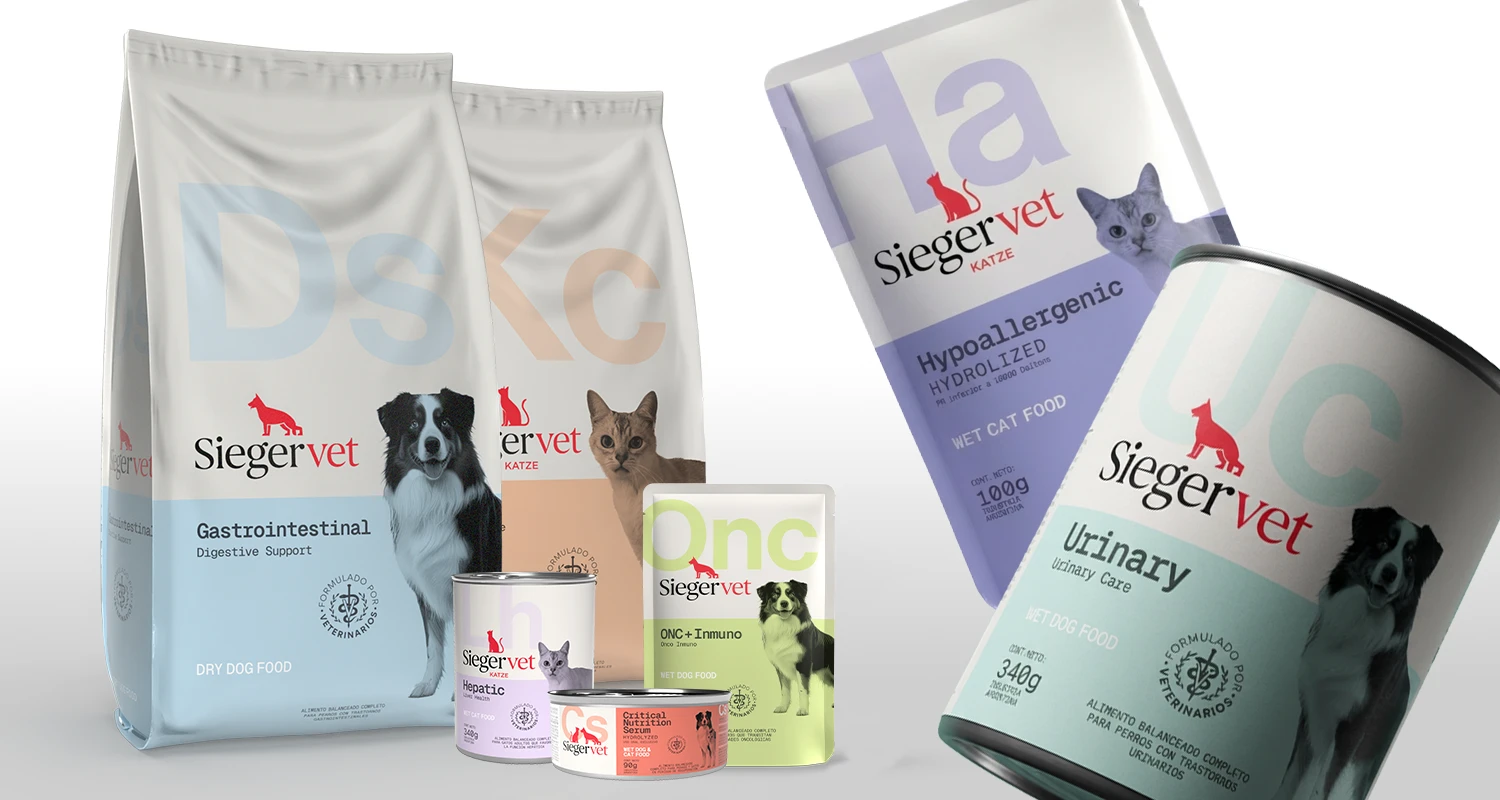
PetPack Journal: Are you seeing developments in areas such as personalization, digital printing, or shorter production runs? How relevant are these for your clients?
Hernán Braberman: These developments are gaining traction in Argentina, though adoption varies significantly depending on the size of the brand and the segment they operate in.
Digital printing is probably the area with the most immediate impact. It enables shorter production runs, faster time-to-market, and the flexibility to test new products or limited editions without committing to massive print volumes. For emerging brands entering the super premium pet food space, this is a game-changer. They can launch with a polished, professional-looking pack without the upfront investment that traditional printing demands. It levels the playing field in a very concrete way.
Personalization is still more aspirational than mainstream in the Argentine market. We see it in occasional limited editions or seasonal campaigns, but true one-to-one personalization at scale remains challenging given the cost structure. That said, the technology is ready, and I think it's only a matter of time before we see pet food brands offering customized packs by breed, life stage, or even the pet's name. The emotional connection in this category makes personalization particularly powerful. Imagine a bag that features your dog's breed with a name tag. The appeal is undeniable.
Where I see the most strategic value is in the combination of these tools. Digital printing enabling shorter runs, which in turn allow brands to be more agile with seasonal variants, regional adaptations, or co-branded collaborations. For our clients, this flexibility translates into faster response to market opportunities and the ability to keep their packaging system feeling fresh and dynamic without redesigning the entire line.
The challenge for designers is to create visual systems that are robust enough to maintain brand consistency across all these variations while still allowing room for customization. That balance between structure and flexibility is where the real craft lies.
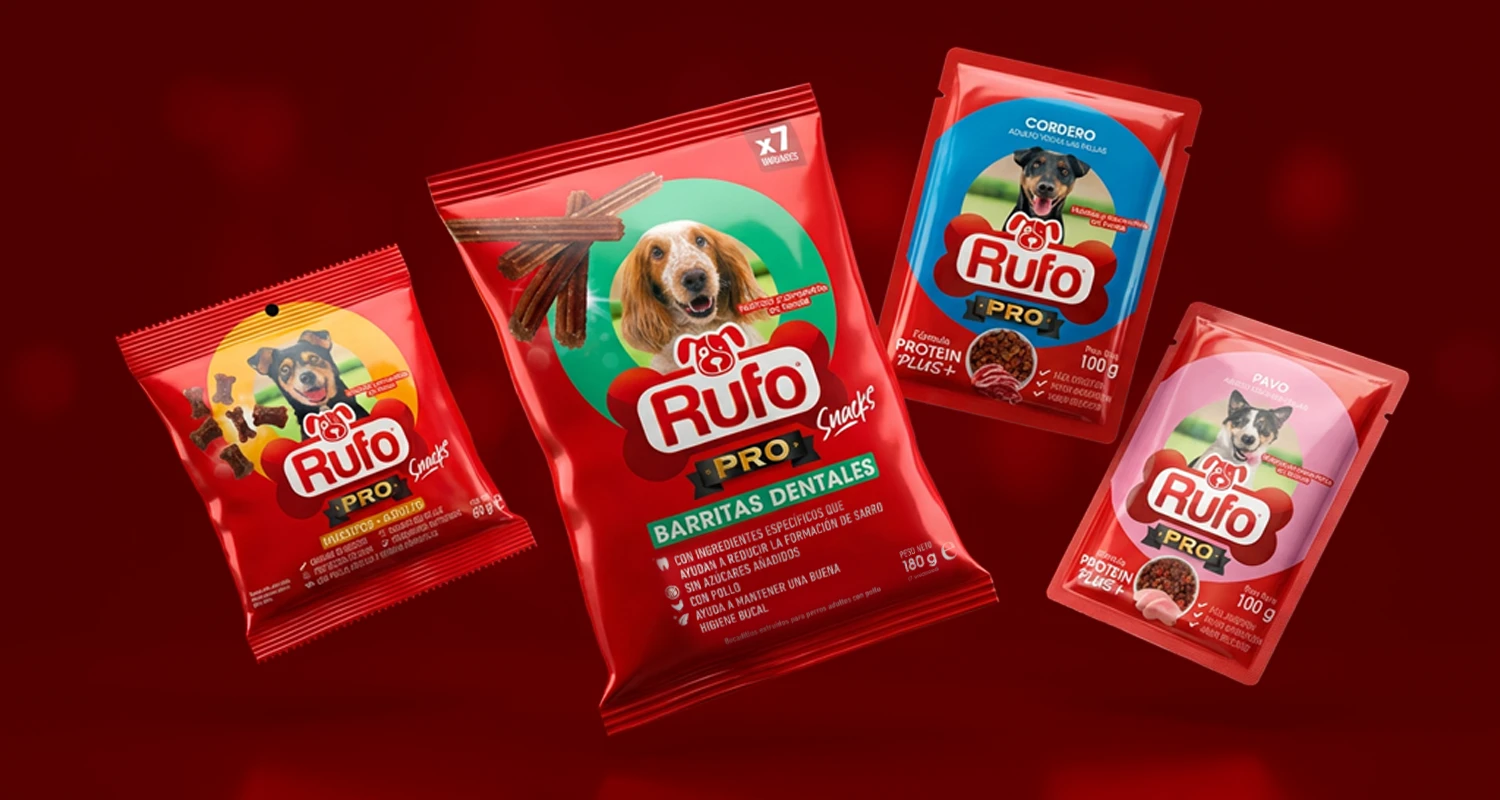
PetPack Journal: What key trends will shape packaging design in the Argentine pet food segment over the next 3–5 years?
Hernán Braberman: I see several converging forces that will redefine the category in the coming years.
First, the humanization trend will keep accelerating. Pet food packaging will continue borrowing visual codes from human food, wellness, and even lifestyle brands. We'll see cleaner layouts, more sophisticated typography, and photography that looks like it belongs in a gourmet cookbook rather than an animal feed aisle. The distinction between "pet food" and "food for a loved one" will become increasingly blurred in visual terms.
Second, purpose-driven branding will move from differentiator to baseline expectation. Brands that don't communicate a genuine commitment to animal welfare, environmental responsibility, or community impact will struggle to earn loyalty from the next generation of pet owners. Packaging will play a central role in making these commitments visible and credible. The brands that succeed will be those that weave purpose into their design DNA rather than adding it as an afterthought.
Third, connected packaging will gain real momentum. QR codes, NFC tags, and augmented reality experiences will transform the bag or pouch into an interactive platform. Nutritional tracking, community engagement, origin traceability, loyalty programs. The physical pack will become a bridge to a deeper brand relationship. In a category where emotional connection is everything, this is enormously powerful.
Fourth, sustainability will shift from storytelling to structural innovation. Mono-material packaging, reduced plastic, compostable alternatives, and circular models like bag collection programs will become more common as both consumer expectations and regulatory frameworks evolve. Designers will need to solve the tension between sustainability requirements and the premium aesthetics that the super premium segment demands.
Finally, I believe we'll see more Argentine and Latin American brands competing globally with design quality that rivals anything in the world. The talent, the strategic thinking, and the creative ambition are already here. What's changing is access to better production technologies and a growing confidence that brands from our region can set trends, not just follow them. For those of us who've spent decades believing in the power of packaging design, that's an incredibly exciting horizon.

Visit the tridimage website here:
https://www.tridimage.com/en/


.png)